
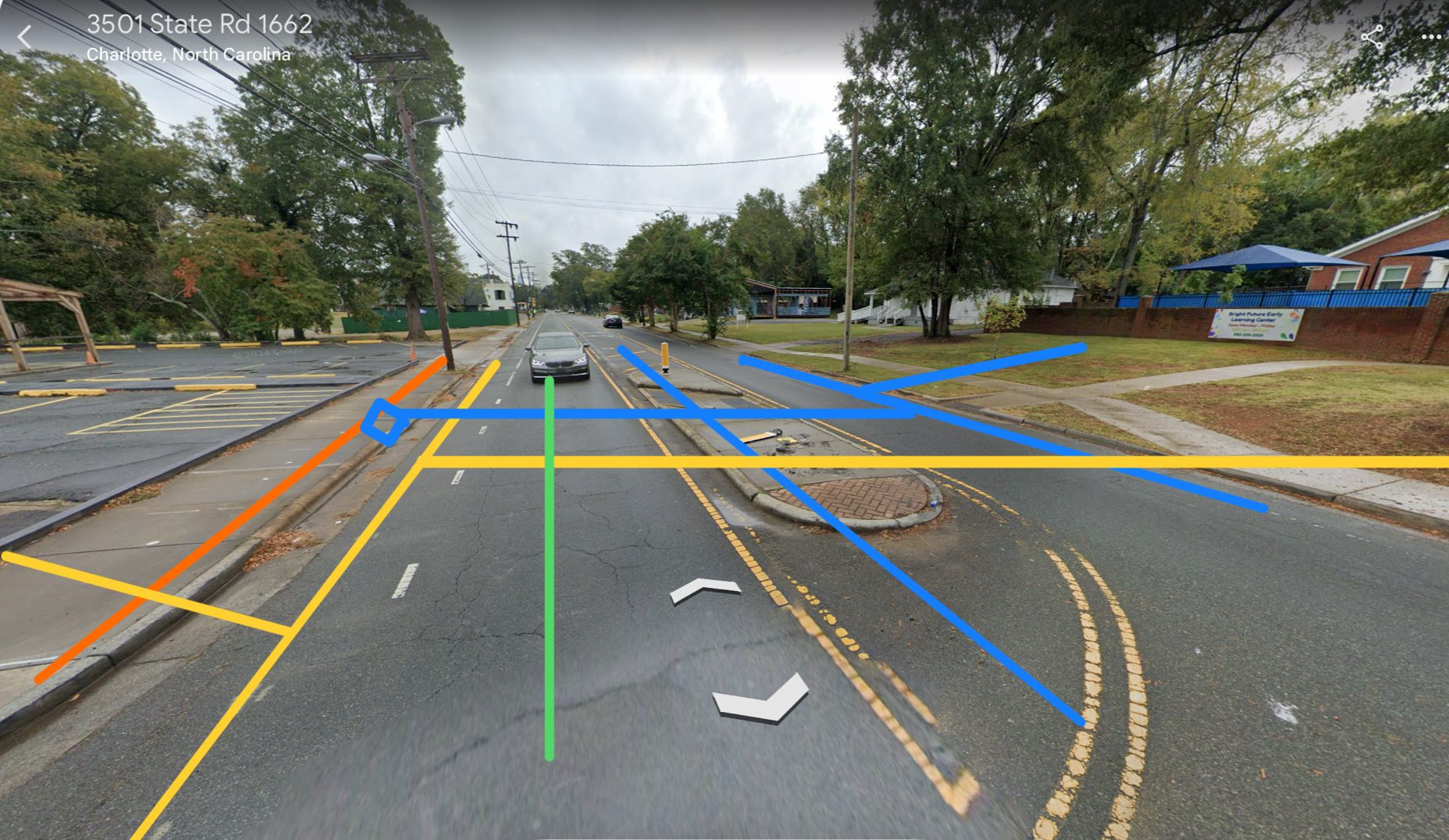
Geode has changed how we collect and visualize underground utility data. There’s no question about that. It gives us stronger positioning, cleaner data capture, and better ways to communicate what we’re seeing in the field. For the right projects, it’s a powerful tool.
It’s important to be clear about what Geode does — and what it doesn’t.
Geode improves how information is recorded and shared. It does not eliminate uncertainty on its own. It doesn’t replace verification when depth matters. And it doesn’t override field conditions that don’t match plans or records. One of the biggest misconceptions I see is the idea that better technology automatically means fewer problems. In reality, problems happen when teams assume technology provides certainty where it doesn’t.
Geode gives us better information. What matters is how that information is interpreted and applied. We still have to ask the same questions:
- Does this align with how the site was developed?
- Are there private utilities that wouldn’t show up in standard records?
- Is verification required before excavation or boring?
Used correctly, Geode helps us communicate more clearly with engineers, contractors, and municipalities. It helps us document what we’ve found and explain next steps. Used incorrectly, it can create a false sense of confidence.
At Center Line Locating, we use Geode as part of a broader damage prevention approach—not as a shortcut, and not as a replacement for experience in the field.
If you’re evaluating Geode for an upcoming project or want to understand how we incorporate it into our process on Charlotte-area projects, we’re happy to walk you through it. Call (704) 315-5820 or visit www.cllocating.com.