
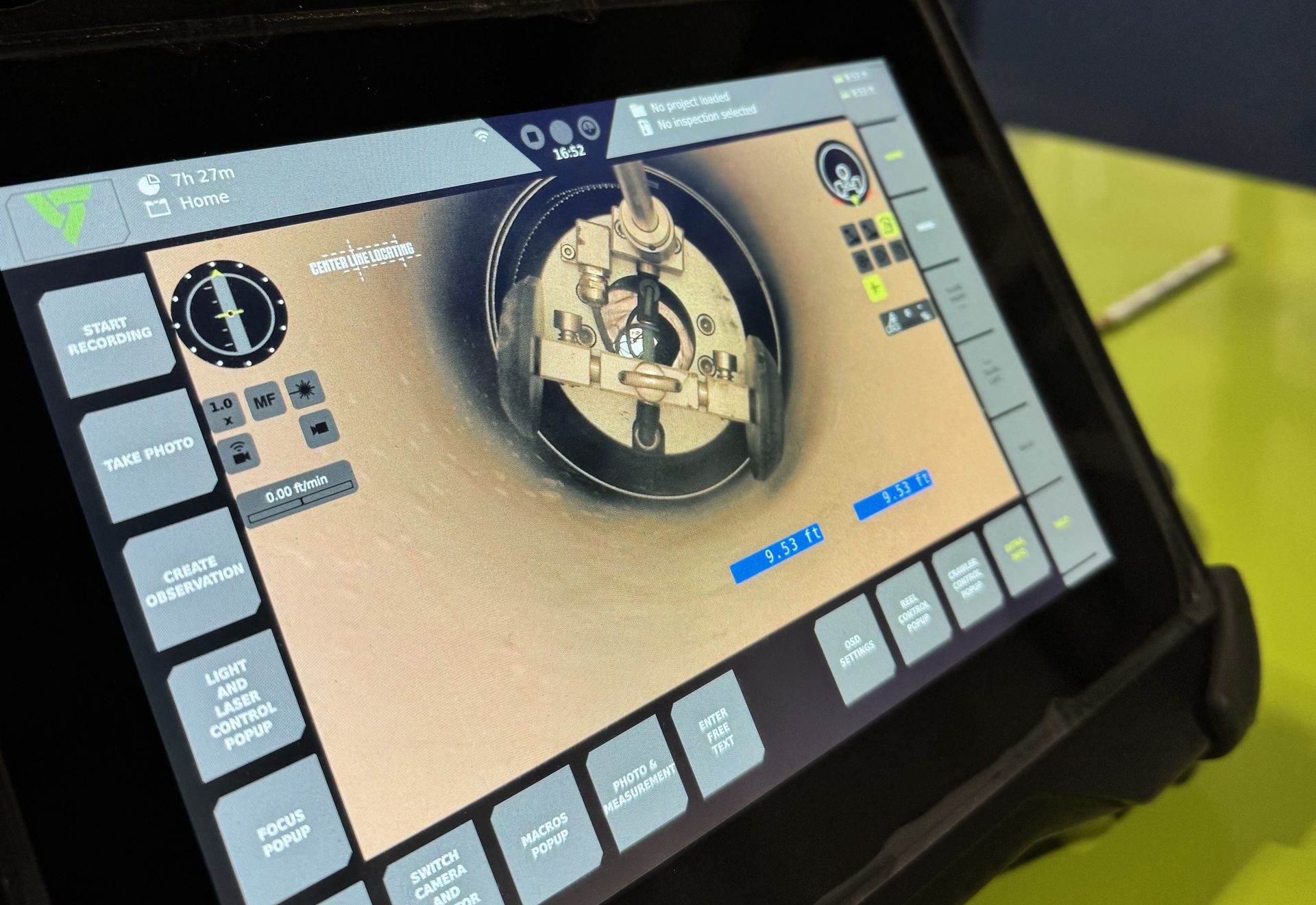
There’s no shortage of new technology in the underground utility world. Every year, tools get faster, software gets smarter, and equipment promises more precision than the version before it.
But here’s the reality most people don’t talk about: technology by itself doesn’t prevent damage. People do. I’ve seen projects where the latest equipment was used, but the results still led to confusion, rework, or utility conflicts. And I’ve seen other projects succeed because someone took the time to understand what the technology was actually telling them—and what it wasn’t.
New tools are only as effective as the experience behind them.
Technology gives us better visibility, better data, and better efficiency. What it does not replace is judgment. It doesn’t replace understanding how utilities were installed, how sites evolved over time, or how field conditions can differ from records. At Center Line Locating, we evaluate new technology based on one question:
Does this help us deliver clearer, more defensible information in the field?
If the answer is yes, we adopt it. If the answer is “maybe, but only sometimes,” we use it carefully. And if it introduces uncertainty or false confidence, we don’t use it at all.
Damage prevention isn’t about owning the newest equipment.
It’s about knowing when to trust the data, when to verify it, and when to slow down before a bad decision is made underground. Technology is a tool. Experience is what makes it useful.
If you’re working on a project in the Charlotte area and want to understand what tools and methods make sense for your specific site conditions, give us a call. (704) 315-5820. www.cllocating.com